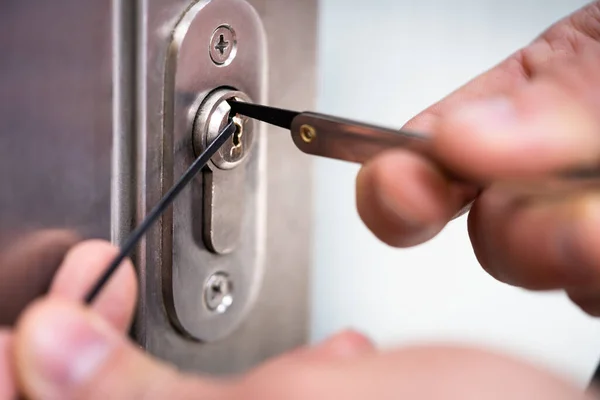
FULL SERVICE LOCKSMITHS, INCLUDING AUTO, HOME, OFFICE, AND 24/7 EMERGENCY SERVICE
Locked Out, Break-In, or Lost Car Key? We’re On Our Way.
Licensed, insured, and trusted across Ross, Pickaway & surrounding South Central Ohio counties for more than 40 years. Automotive, residential, commercial, and industrial locksmith service — including chip keys, remote fobs, safes, and keyless access systems.
A+
BBB Rating
40+
Years in Business
24/7
Emergency Service
Licensed
& Fully Insured
REQUEST SERVICE
Send Us a Message
Tell us what you need and we’ll follow up quickly.
For urgent lockouts, calling is always fastest.
OUR SERVICES
Complete Locksmith Solutions, Under One Roof
From a jammed deadbolt at home to a full master key system for a facility, our team handles it — backed by 40+ years of hands-on experience across South Central Ohio.
Residential
Re-keys, deadbolt installation, lockouts, and full-home lock upgrades for homeowners across Ross & Pickaway counties.
Commercial
Access control, master key systems, panic hardware, and lock service for offices, retail & multi-tenant properties.
Industrial
Master keying, high-security cylinders, and facility-wide lock & access solutions for warehouses and plants.
Automotive
Chip key programming, remote fobs, transponder keys & lockout service for most makes and models.
Locked Out Right Now?
We answer 24 hours a day, 7 days a week — every day of the year.
WHY CHOOSE US
Four Decades of Trusted Service in South Central Ohio
We’ve built our reputation one job at a time — fast response, honest pricing, and work done right the first time. Beyond lockouts and re-keys, our team handles the specialty work many locksmiths don’t:
- Chip keys & remote FOBs programmed on-site
- Safe sales & service
- Deadbolt installation & full re-keys
- Master key systems for businesses & facilities
- Keyless & card-access entry systems installed
A+
Better Business Bureau Rating
Thousands of satisfied and secure customers.
Licensed, insured, and locally owned right here in Chillicothe, Ohio.
ALOA
Associated Locksmiths of America
Proud member of the Associated Locksmiths of America, which furthers the industry through education, leadership and promoting professionalism and ethics for security professionals worldwide.
LOCKSMITH KNOWLEDGE
A Complete Guide to Locks, Keys, and Security
The Craft of Modern Locksmithing
Locksmithing is one of the oldest trades still practiced today, dating back to mechanisms used in ancient Egypt and Rome. Modern locksmiths combine that mechanical tradition with electronics, automotive systems, and digital access control — which is why a single visit might involve cutting a traditional key, programming a vehicle’s transponder chip, or configuring a keypad entry system. A qualified locksmith is trained across all of these disciplines, not just one.
Types of Locks and What They’re Built For
Not all locks are built for the same job, and choosing the wrong one is one of the most common security mistakes property owners make.
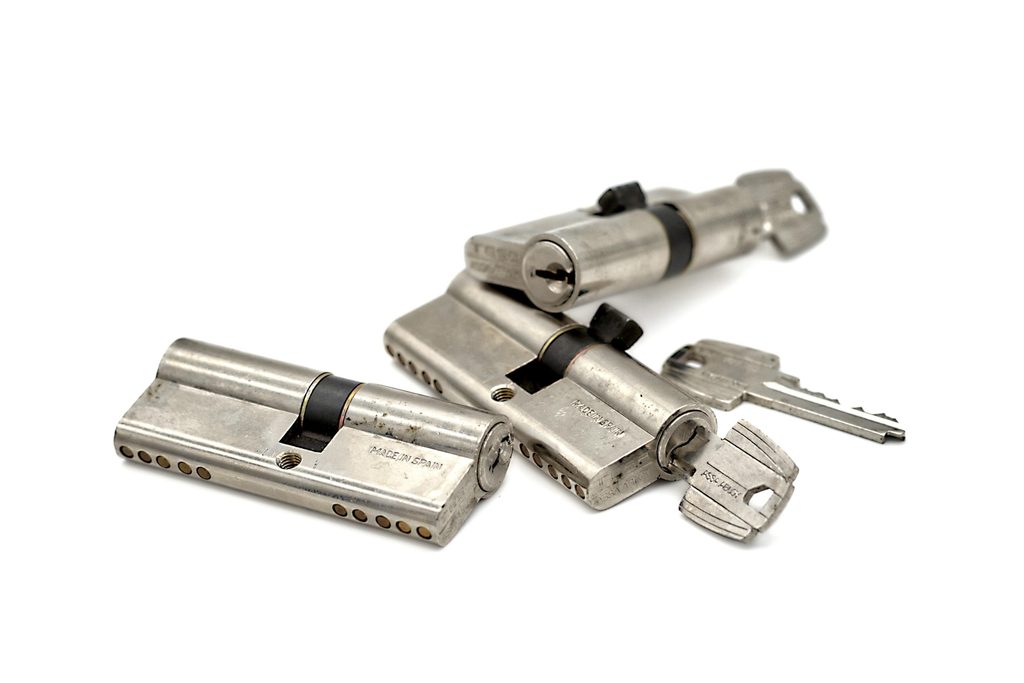
- Pin tumbler locks are the most common lock mechanism in the U.S., found in most residential deadbolts and doorknobs. Their security depends heavily on pin count and cylinder quality.
- Deadbolts are graded by the ANSI/BHMA standard, from Grade 3 (standard residential) up to Grade 1 (commercial-grade). A Grade 1 deadbolt can withstand significantly more force than a Grade 3, which is why many homeowners upgrade after a break-in attempt, not before one.
- High-security cylinders use features like restricted keyways (keys that can’t be duplicated at a hardware store), reinforced pins, and drill-resistant hardware. These are common in commercial and industrial settings where controlling who can copy a key matters as much as the lock itself.
- Electronic and smart locks replace or supplement a physical key with a keypad code, fob, or smartphone app. They’re increasingly common for rental properties, businesses with rotating staff, and homeowners who want to grant or revoke access remotely.
- Automotive locks and keys have moved from simple metal keys to transponder chip keys and programmed remote fobs, which communicate electronically with the vehicle’s immobilizer system — meaning a lost car key today usually can’t just be cut, it has to be programmed.
Rekeying vs. Replacing: What’s Actually Different
These two terms get used interchangeably, but they solve different problems. Rekeying changes the internal pin configuration of an existing lock so that old keys no longer work — it’s typically faster and less expensive, and it’s the standard recommendation after moving into a new home or after an employee with building access leaves a company. Replacing means removing the lock hardware entirely and installing a new unit, which is necessary when the existing lock is damaged, outdated, or simply not the security grade the property needs. A qualified locksmith should be able to tell you honestly which one your situation actually calls for, rather than defaulting to whichever is more profitable.
Residential, Commercial, Industrial, and Automotive: Why the Distinction Matters
Locksmith work is often treated as one general trade, but the four main categories call for genuinely different expertise:
- Residential work centers on securing a home — deadbolts, re-keys, lockouts, and increasingly, smart home integration.
- Commercial work introduces master key systems (where different keys open different combinations of doors within one building), access control for employee turnover, and code compliance for things like fire exit hardware.
- Industrial work deals with facility-wide security across multiple shifts, high-security keyways for restricted areas, and hardware built to withstand heavy daily use in warehouses and plants.
- Automotive work requires specialized transponder programming equipment, since modern vehicle keys are as much electronic components as physical ones.
Safes: Sales, Service, and Selection
A safe is only as good as its rating for the specific threat it’s meant to protect against, and matching the right safe to the right purpose is where many buyers go wrong. Safes are generally categorized by what they’re designed to resist:
- Fire-rated safes are tested and rated by the length of time (commonly 30 minutes to 2 hours) and internal temperature they can maintain during a fire, protecting documents, media, and other heat-sensitive contents. A fire rating says nothing about burglary resistance, and vice versa — the two are independent ratings.
- Burglary-rated safes are rated by testing labs (such as UL) based on how long the safe resists forced entry using tools, and are built with thicker steel, reinforced locking bolts, and hardened plates around the lock itself.
- Gun safes typically prioritize both quick authorized access (often via keypad) and child-resistant security, and vary widely in actual burglary and fire resistance depending on gauge of steel and construction quality — two safes marketed for the same purpose can have very different real-world protection.
- Depository and cash-drop safes are built for businesses that need to secure cash or receipts throughout the day without reopening the main safe repeatedly, usually via a one-way drop slot or rotating hopper.
Combination vs. Electronic Locks on Safes
Traditional mechanical dial combinations remain some of the most reliable safe locks in existence — they have no batteries to die and no electronics to fail — but they’re slower to operate and harder to reprogram. Electronic keypad locks offer faster access and easy re-programming (useful for businesses that need to change the code when an employee leaves), at the tradeoff of needing battery maintenance and being a more complex mechanism to service.
Safe Servicing and Maintenance
Like any mechanical device, safes benefit from periodic servicing — lock mechanisms can drift out of calibration, batteries on electronic locks need replacement before they fail, and hinges or bolts can develop wear over years of use. A safe that won’t open isn’t necessarily broken beyond repair; in many cases a locksmith can service or recalibrate the lock rather than requiring the safe to be drilled open, which is a more invasive and costly last resort.
Why Licensing and Insurance Matter
Because locksmiths are, by definition, trained to bypass locks, the trade carries a level of trust that licensing and insurance are meant to formalize. A licensed, insured locksmith has demonstrated legitimate qualification and carries liability coverage if something goes wrong during a job — which matters most in exactly the moments when you need a locksmith urgently and don’t have time to vet a stranger.
SERVICE AREA
Proudly Serving Ross, Pickaway & Surrounding Counties
From our Chillicothe headquarters, we respond throughout South Central Ohio — including Ross County, Pickaway County, and the surrounding communities — for residential, commercial, industrial, and automotive locksmith needs.
We serve the following locations, plus many more!
Ross County
- Chillicothe
- Adelphi
- Bainbridge
- Bourneville
- Clarksburg
- Frankfort
- Hallsville
- Kingston
- Londonderry
- South Salem
Pickaway County
- Circleville
- Ashville
- Commercial Point
- Darbyville
- Derby
- Harrisburg
- New Holland
- Orient
- South Bloomfield
- Tarlton
- Williamsport
Surrounding Counties
- Waverly (Pike Co.)
- Hillsboro (Highland Co.)
- Washington Court House (Fayette Co.)
- Logan (Hocking Co.)
- McArthur (Vinton Co.)
- Jackson (Jackson Co.)
FAQ
Frequently Asked Questions
Can you unlock my car without damaging it?
Yes, we use professional tools and techniques designed to safely unlock your vehicle without causing damage.
Do you replace or repair locks?
We do both. If your lock can be repaired, we recommend that option. If replacement is necessary, we will provide secure, quality options.
What is rekeying vs replacing a lock?
Rekeying changes the internal pins so old keys no longer work. Replacing means installing an entirely new lock. Rekeying is often more cost-effective if the hardware is still in good shape.
Can you install high-security locks?
Yes, we install and service high-security locks, deadbolts, keypad locks, and smart lock systems.
What forms of payment do you accept?
We accept Visa, MasterCard, cash, personal check, business check, and debit card for your convenience.
Ready When You Are — Day or Night
Call now for emergency service, or reach out anytime for a free quote on residential, commercial, industrial, or automotive locksmith work.